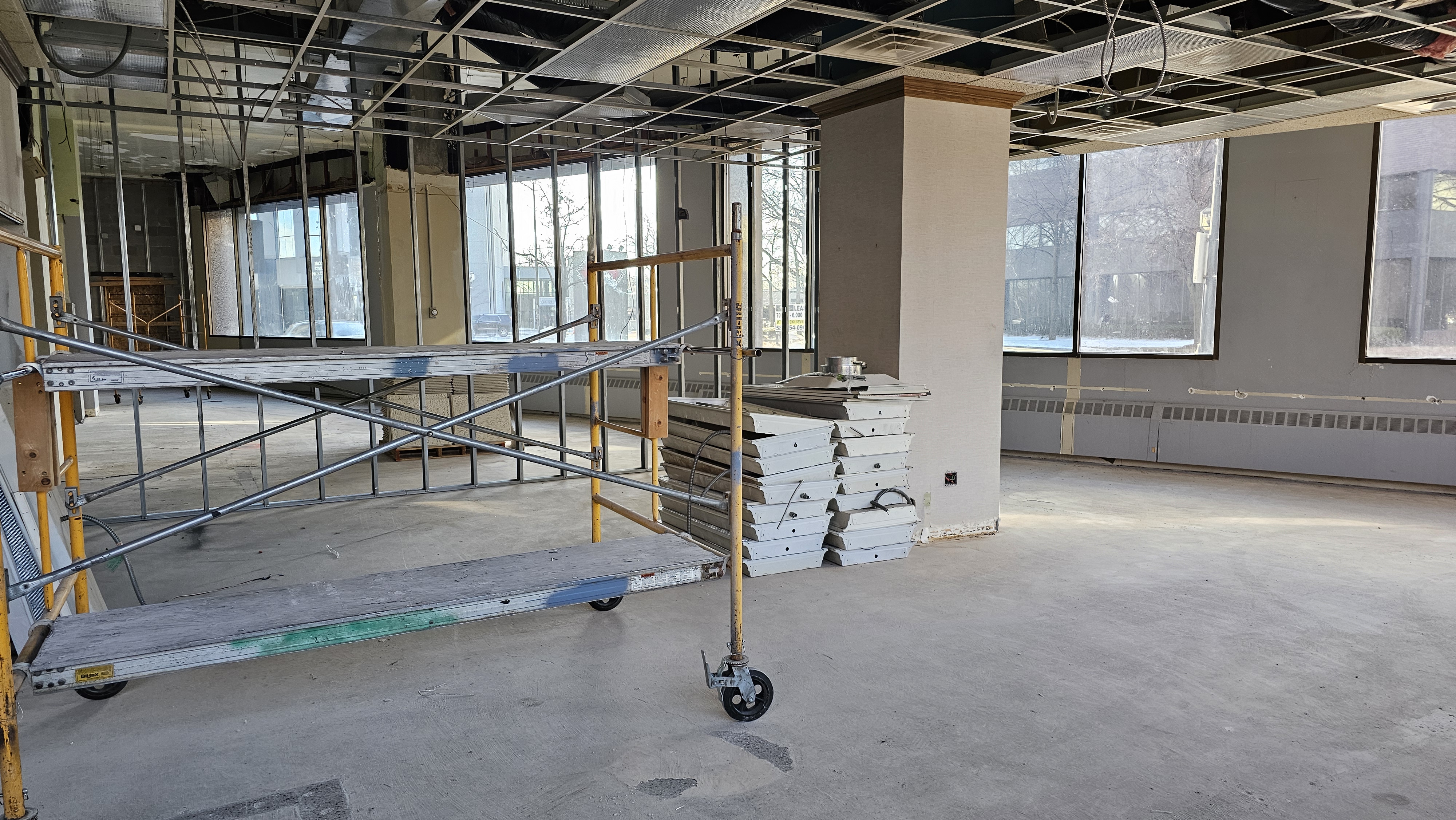
There is no universal rule that says the landlord or tenant always pays for a commercial build-out. Cost responsibility is part of the lease negotiation and depends on the condition of the space, scope of work, lease economics and bargaining position of each party.
Start With the Condition of the Space
A second-generation office with usable walls, lights and flooring is different from a raw shell. Before negotiating cost responsibility, document what exists and what must change for the tenant’s use.
Base-Building Work
Landlords often retain responsibility for core building systems and conditions, but the exact division varies. Structural components, roof, main utility services and common building systems may be treated differently from improvements located inside a tenant suite.
The lease should define responsibilities instead of relying on assumptions.
Tenant-Specific Improvements
Highly specific improvements—specialized equipment, unusual electrical requirements, custom millwork, branded features or unique layouts—are often part of the tenant’s business investment unless negotiated otherwise.
The more specialized the work, the less reusable it may be for the landlord after the lease ends.
Tenant Improvement Allowance
A common compromise is for the landlord to provide a negotiated contribution toward the work while the tenant pays costs above that amount.
Read What Is a Commercial Tenant Improvement Allowance? for details on eligible costs, reimbursement and unused funds.
Turnkey or Landlord-Delivered Build-Out
In a turnkey arrangement, the landlord agrees to deliver an agreed scope of improvements. This can make the tenant’s upfront cost more predictable, but plans and specifications must be detailed enough to avoid disagreement over what “finished” means.
Change Orders and Overages
Even when the landlord is funding much of the work, tenant-requested changes after plans are approved may become tenant costs. The lease or work letter should explain who can authorize changes and how price/schedule impacts are approved.
Do Not Forget Soft Costs
Build-out budgets may include architecture, engineering, permits, testing, project management and other costs beyond visible construction. Make sure the lease explains whether these count against an allowance.
Who Controls the Schedule?
Cost responsibility and schedule responsibility are connected. If the tenant cannot open until construction is complete, clarify when rent begins, what conditions must be met and how delays outside either party’s control are treated.
What Happens at the End of the Lease?
Some leases require tenants to remove certain improvements, cabling, equipment or signage. Others allow improvements to remain. Restoration obligations should be understood before the tenant invests in the space.
Put the construction deal in writing.
A lease should not just say “landlord to build out space.” The work letter or exhibits should define scope, budget responsibility, approval process, schedule, payment and what happens if the project changes.
The Bottom Line
Who pays for a commercial build-out is a negotiated business term. The strongest deals align the lease economics with a realistic construction scope and clearly define responsibilities before work begins.