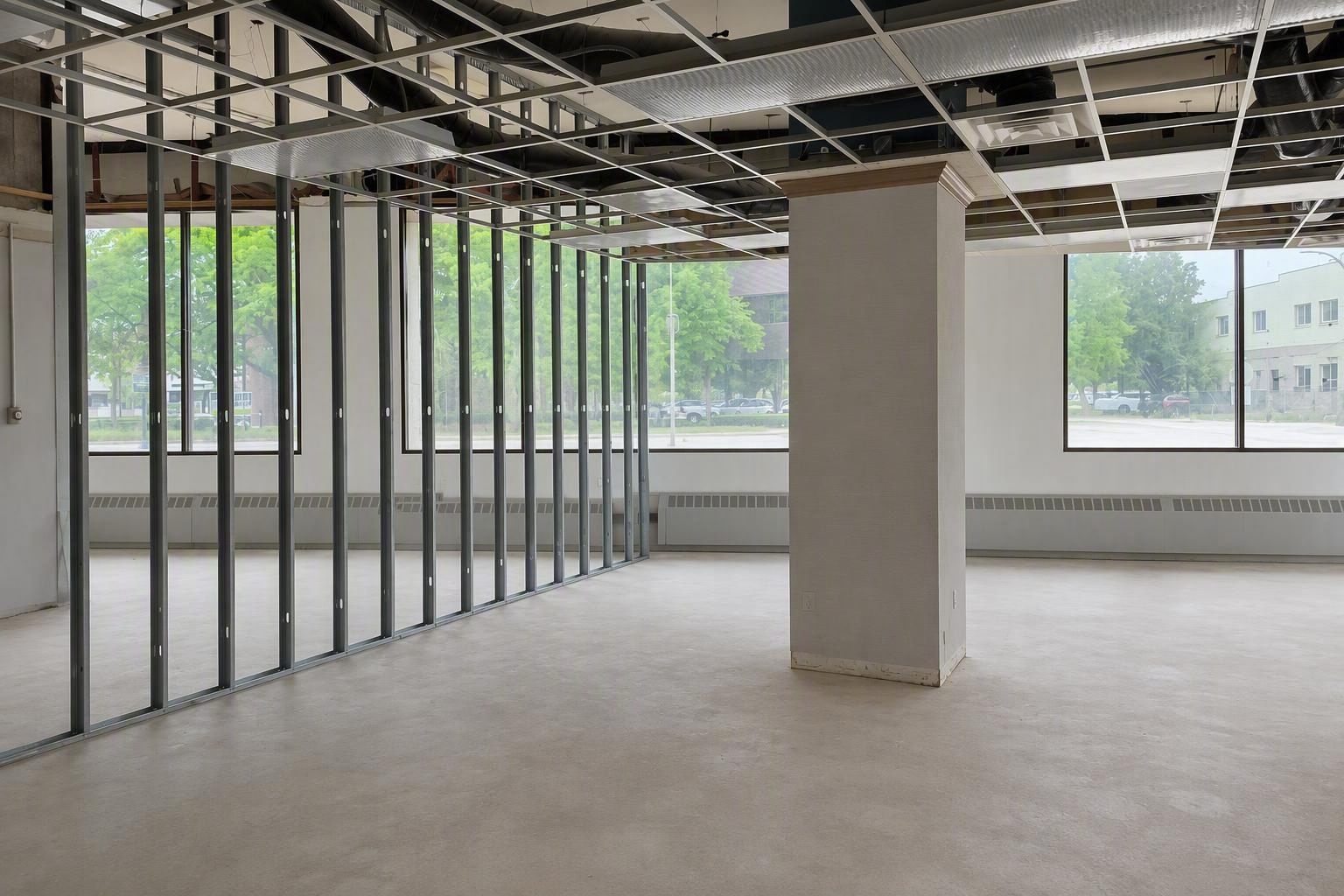
A tenant improvement allowance (TI allowance) is a landlord's negotiated contribution toward construction or alterations needed for a tenant to occupy commercial space. It is sometimes called a tenant improvement (T.I.) allowance, TI dollars or build-out allowance.
For an office, medical suite or storefront in Metro Detroit, the important questions are not just how much is offered but what work it covers, who manages construction, when funds become available and who pays the balance.
How Does a Tenant Improvement Allowance Work?
In a commercial lease, the landlord and tenant may agree on a fixed total contribution or an allowance expressed per square foot. The documents should specify the measurements used, the approved work, responsibility for any excess costs, how invoices are approved and when payment occurs.
Allowances are often negotiated as part of the rent, lease term, property condition and tenant credit package. They are not necessarily an independent cash payment that the tenant can use for any purpose.
How Do You Calculate a TI Allowance?
Example: $25 per square foot TI allowance
2,000 rentable SF × $25/SF = $50,000 total allowance.
If the priced build-out costs $74,000 and all costs qualify, the potential tenant-funded gap is $24,000. Taxes, fees or unapproved items could increase the gap, and actual payment depends on the agreement.
This is a hypothetical negotiation example, not a current BLD offering or typical Metro Detroit allowance.
Confirm whether the allowance is based on rentable or usable square feet and whether it applies only to specific portions of the leased space. A tenant should obtain a preliminary scope and budget before treating the number as sufficient.
What Does a TI Allowance Usually Cover?
Depending on the lease, eligible improvements may include new partitions, flooring, ceilings, lighting, electrical and plumbing work, HVAC distribution, doors, millwork and other permanent alterations.
| Commonly considered build-out items | Items that may be restricted or excluded |
|---|---|
| Permanent walls, doors and finishes | Movable furniture and equipment |
| Electrical, plumbing and lighting improvements | Computers, phone systems and portable technology |
| Approved HVAC or life-safety alterations | Exterior signage, branding and decorative elements |
| Approved construction-related design or permit costs, if written into the agreement | Design fees, permits or project management costs unless expressly allowed |
No category is automatically eligible or excluded. Obtain a written schedule of eligible costs, the required approvals and any documentation standards.
When and How Are TI Dollars Paid?
Some landlords reimburse the tenant after completion or after agreed construction milestones. Others pay contractors directly or deliver the improvements themselves. A reimbursement package may require paid invoices, certificates or inspections, approved plans and lien waivers.
Timing can create a cash-flow problem: even when the allowance ultimately covers approved costs, a tenant may need to pay contractors before reimbursement. Confirm who advances the funds and how quickly an approved request must be processed.
Who Pays for Costs Above the Allowance?
Many transactions place overages caused by tenant-selected work or changes on the tenant, but there is no universal rule. A clear work letter should identify responsibility for unforeseen conditions, code compliance, plan changes and scope differences.
Before signing, ask for preliminary contractor pricing, review building systems, confirm available utilities and include a reasonable contingency appropriate to the project.
What Happens to Unused TI Allowance?
Unused allowance may expire or revert to the landlord. Sometimes the lease permits a different use or a credit if expressly negotiated. Do not assume leftover TI dollars can pay rent or buy furniture unless the documents specifically allow it.
What Should the Lease or Work Letter Say?
A detailed construction exhibit or work letter can prevent disagreements over:
- Scope: approved plans, finishes, building standards and excluded items.
- Money: allowance amount, eligible categories, contingency, overages and change-order process.
- Control: who selects contractors, obtains permits, supervises work and approves changes.
- Schedule: delivery condition, construction milestones, substantial completion, access and rent commencement.
- Payment: invoices, lien waivers, documentation, reimbursement timing and unused funds.
- End of term: ownership of installed improvements and any restoration requirements.
How Does a TI Allowance Affect Lease Negotiations?
An owner may weigh a larger upfront contribution against lease length, anticipated rent, property condition and the nature of the improvements. A tenant should evaluate the allowance alongside the total occupancy cost, not as “free” construction.
For broader obligations, read Commercial Tenant Build-Outs: Who Pays for What? and NNN vs. Modified Gross vs. Full-Service Commercial Leases.
Plan the Space Before Finalizing the Deal
Older offices and former retail spaces in Metro Detroit may require different levels of accessibility, mechanical, electrical or layout work. The property-specific scope—not an online average allowance—is what determines the budget.
BLD Companies combines commercial leasing and construction management perspectives to help evaluate space requirements and the work associated with occupancy. For a proposed build-out, discuss your project with BLD.
Frequently Asked TI Allowance Questions
Is a TI allowance paid directly to the tenant?
Not always. It may be reimbursement, direct payment for approved work or improvements delivered by the landlord; the lease controls the mechanism.
Can TI dollars cover design or permit fees?
Only when the negotiated agreement allows those costs. Confirm the treatment of soft costs in writing.
Is a larger allowance automatically a better lease?
No. Consider the complete rent schedule, term, construction budget, timing, work responsibility and risk of extra costs.
Negotiate the construction terms together.
Allowance amount + approved scope + who funds overages + schedule + reimbursement documentation should all be resolved before the lease and work letter are finalized.
The Bottom Line
A commercial TI allowance can help prepare space for occupancy, but its value depends on the complete negotiated terms. Price the work, clarify eligible expenses, document construction responsibilities and payment timing, and obtain appropriate legal and financial review before signing.