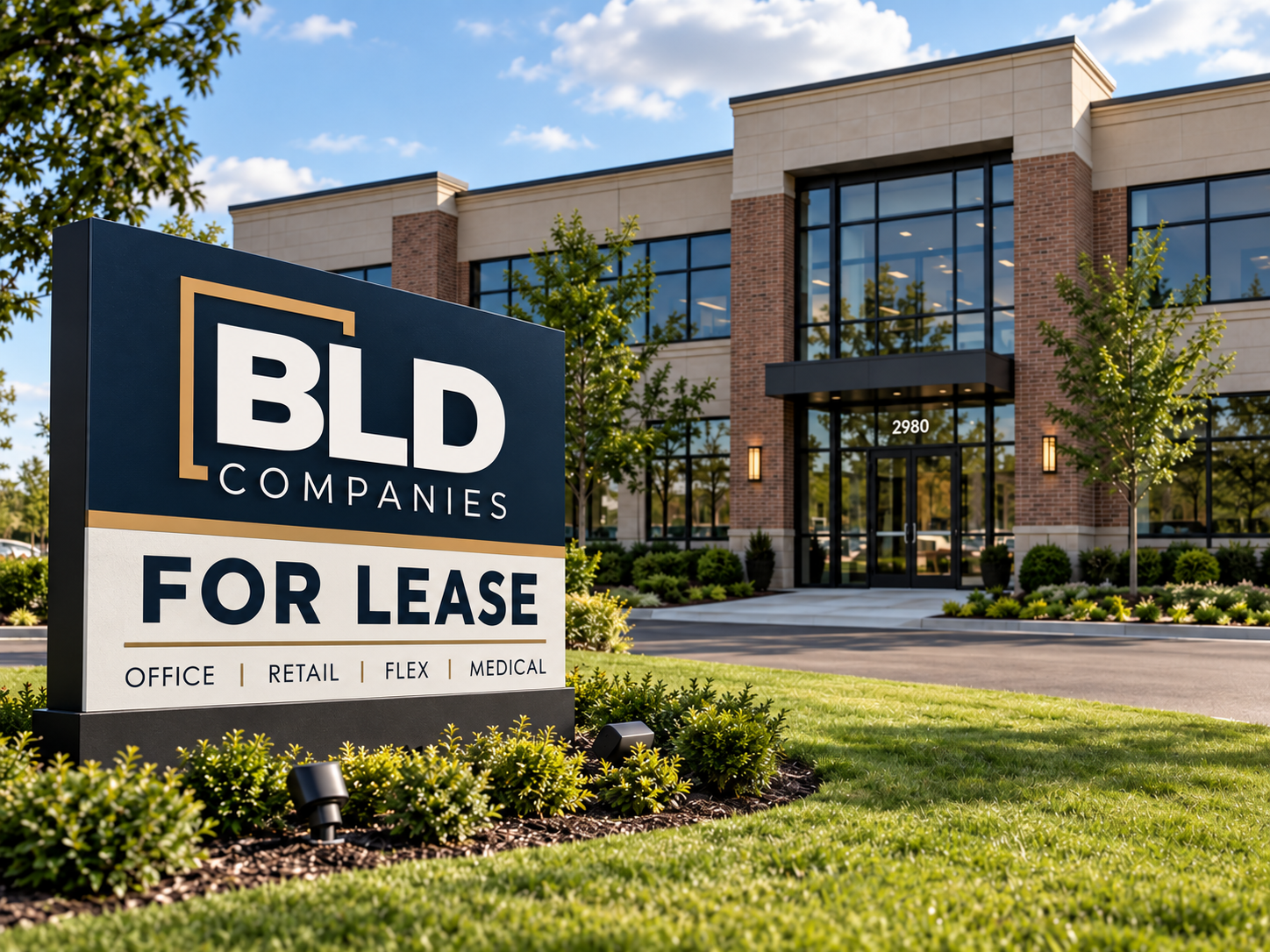
A vacant building is not always a bad building. The challenge is identifying what is preventing the right tenant from choosing it—and addressing the real obstacle before spending money on the wrong solution.
Start with a property-specific diagnosis
Vacancy can be caused by several issues at once. A property might be marketed widely but priced above comparable options, or competitively priced but difficult for a prospective business to use. The goal is to separate the symptoms—few tours, poor feedback, stalled negotiations—from the root causes.
Review the marketing history, inquiry volume, property showings, tenant objections, comparable available spaces and recent leases when reliable data is available. Distinguish a market with limited tenant demand from a property that is not positioned for the demand that exists.
1. Does the asking rent match the real occupancy cost?
Commercial tenants compare more than asking rent. They consider operating expense reimbursements, utilities, improvement costs, parking, lease duration and how quickly they can occupy the space.
Compare rent with genuinely similar local properties, adjusting for location, condition, size, lease type, amenities and included services. An asking rate that seems reasonable per square foot can still feel expensive when tenant-funded improvements are substantial.
2. Can prospective tenants understand the space?
Good marketing communicates what the building offers and which users it may suit. Publish an accurate floor plan, usable square footage, clear photos, entry and parking information, permitted-use considerations and a direct inquiry route.
A clean, well-lit suite and an understandable layout help visitors imagine their business inside. A cluttered space, outdated listing images or incomplete property information can keep an otherwise promising location from reaching the tour stage.
3. Is building condition creating objections?
Leaks, uncertain heating and cooling, damaged finishes, inadequate lighting, deferred maintenance and accessibility questions can undermine tenant confidence.
Separate essential repairs and safety or code items from cosmetic improvements and tenant-specific build-outs. Obtain appropriate professional advice before making assumptions about compliance, occupancy approvals or permitted uses.
4. Are you attracting the right tenant?
A large former single-user office may be difficult to lease to smaller firms unless the space can be divided economically. Specialized improvements can appeal to some businesses but discourage others.
Consider whether subdividing, adjusting the delivery condition, clarifying permitted uses or repositioning the space would broaden the qualified tenant pool. Assess the costs and approvals before committing to a major conversion.
5. Does the marketing reach qualified users?
A listing should tell a coherent story: intended users, key benefits, available configuration, costs, timing and tour process. Online exposure alone is not a substitute for targeted broker outreach, tenant prospecting and responsive follow-up.
Track inquiries and tours by source, ask why prospects declined, and update the listing based on recurring feedback. A property with no inquiries needs a different response from one that gets tours but no offers.
6. Are occupancy timing and lease terms realistic?
Some prospective tenants need quick occupancy; others need a build-out period, landlord work or flexible expansion options. Unclear delivery conditions and slow approvals can derail otherwise productive negotiations.
Publish an honest estimated delivery window, explain landlord and tenant work responsibilities, and document material terms before lease drafting. Commercial lease provisions should be reviewed by the parties and their qualified advisers.
A practical 30-day leasing reset
Week one: audit the asking terms, property information, condition and recent lead history. Week two: benchmark nearby competition and identify recurring objections. Week three: address high-impact repairs and update photography, plans and listing copy. Week four: restart targeted outreach and track tours, feedback and follow-ups.
The best next step may be a pricing adjustment, a small capital project, a new tenant profile—or a broader property repositioning strategy. Evaluate those options against the owner’s cash flow, capital budget and long-term goals.
When the problem is bigger than a listing
If market response remains weak after reasonable changes, revisit the property’s fit for current users. A coordinated strategy involving brokerage, property management and construction can expose options that advertising alone will not.
BLD Companies works with commercial property owners throughout Metro Detroit to connect leasing decisions, building condition and ownership objectives.
Discuss your commercial property
Every property's condition, lease economics and market position are different. BLD can help evaluate realistic options based on the building and the owner's goals.